
Unraveling the mind Understanding the psychology behind gambling behavior
Kulturella uppfattningar om spel Hur påverkar samhällets normer vårt beteende
20 de abril de 2026Начинаем играть в азартные игры руководство для новичков от Pin Up
20 de abril de 2026Unraveling the mind Understanding the psychology behind gambling behavior
The Historical Context of Gambling
Gambling has been a part of human culture for thousands of years, with its origins tracing back to ancient civilizations. From the casting of dice in Mesopotamia to the intricate card games in medieval Europe, the historical context of gambling reflects a deep-rooted inclination toward chance and risk. Early forms of betting often intertwined with social rituals, showcasing how gambling was not just a pastime but a significant component of cultural identity. Today, many enjoy online platforms like https://miraxcasino-canada.com, which offer access to varied gaming experiences.
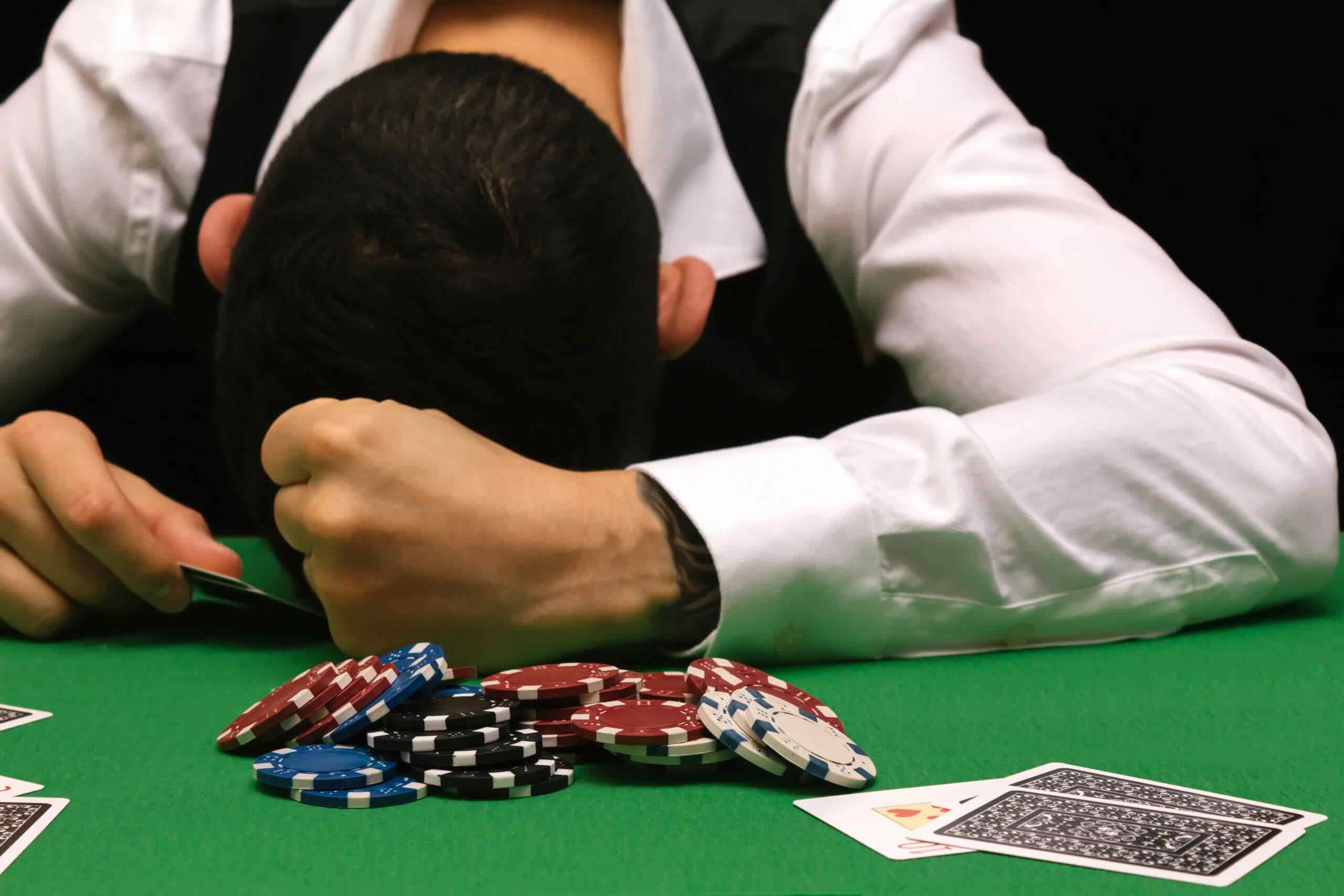
As societies evolved, so did the methods and venues for gambling. The establishment of formal gambling houses and later casinos in the 17th century marked a pivotal shift in how gambling was perceived. These venues provided a structured environment where individuals could engage in betting activities, which increased their allure and societal acceptance. The historical evolution demonstrates that gambling behavior has continuously adapted, influenced by cultural, economic, and technological changes.
The historical perspective also reveals the dual nature of gambling as both a source of entertainment and a potential path to addiction. From ancient religious practices to modern-day lotteries and casinos, gambling’s role in society has always been complex. Understanding this historical context is essential in unraveling the psychology behind contemporary gambling behavior, as it allows us to recognize the deep-seated motivations and consequences of gambling across different eras.
The psychology behind gambling is deeply intertwined with various motivations that drive individuals to participate in such activities. One primary motivation is the thrill of risk and uncertainty. Many gamblers are drawn to the excitement of not knowing the outcome, which can lead to a release of adrenaline and dopamine in the brain. This chemical response reinforces their behavior, making them more likely to return for additional gambling experiences.
Another crucial motivation stems from the desire for social interaction. Many individuals view gambling as a social event, whether in a casino setting or through online platforms. The camaraderie built among players can lead to a sense of belonging and community, fulfilling an inherent social need. Such interactions can be especially significant for those who may feel isolated in their daily lives, highlighting how psychological factors drive gambling behavior.
The aspect of escapism also plays a critical role in gambling psychology. Many individuals use gambling as a way to escape from stressors in their lives, whether financial, emotional, or psychological. By immersing themselves in the unpredictable world of gambling, they momentarily distract themselves from their problems. However, this form of escapism can lead to a dangerous cycle of reliance on gambling as a coping mechanism, potentially leading to destructive behavior.
Cognitive biases significantly influence gambling behavior, often leading individuals to make irrational decisions. One prevalent bias is the illusion of control, where gamblers believe they can influence outcomes through skill or strategy, even in purely chance-based games. This perception can encourage continued play despite losses, as individuals convince themselves that they can turn their luck around.
Another important cognitive bias is the gambler’s fallacy, which is the belief that past events will influence future outcomes. For example, if a player observes a particular number not appearing in a slot machine, they may bet more heavily, thinking it’s due to ‘come back’ logic. This flawed reasoning can result in substantial financial losses, as individuals fail to recognize the independence of each gambling event.
These cognitive biases not only affect decision-making but also shape the overall gambling experience. Gamblers often remember their wins more vividly than their losses, a phenomenon known as selective memory. This skewed perception fosters a false belief in the possibility of consistent winning, perpetuating the cycle of gambling behavior. Understanding these cognitive biases is crucial for addressing problematic gambling and promoting healthier attitudes toward risk and reward.
The environment in which individuals gamble significantly influences their behavior and psychological state. Factors such as location, ambiance, and availability of gambling opportunities can heighten the appeal of gambling. For instance, brightly lit casinos are designed to entice players, creating an atmosphere of excitement and urgency that encourages prolonged engagement. This sensory stimulation can impair judgment, making it easier for individuals to gamble beyond their means.
Social factors also play a crucial role in shaping gambling behaviors. Peer pressure and societal norms can either promote or discourage gambling activities. In cultures where gambling is celebrated, individuals may feel more compelled to participate. Conversely, environments that stigmatize gambling might lead to secretive behavior, where individuals hide their gambling activities due to fear of judgment. Understanding these social dynamics is essential for unraveling the complexity of gambling behavior.
Additionally, the advent of online gambling has altered the landscape, allowing individuals to gamble in the comfort of their homes. This convenience can lead to an increase in impulsive gambling, as the barriers to access are significantly lowered. The impact of the digital age on gambling behavior reflects how environment and technology intertwine, necessitating ongoing exploration of their psychological implications.

Mirax Casino stands out as a premier online gaming platform designed to cater to Canadian players. With a comprehensive library of over 8,000 games, including slots and live dealer options from renowned providers like NetEnt and Pragmatic Play, the casino offers an exceptional gambling experience. This extensive range ensures that players can find a game that suits their preferences, whether they’re looking for classic table games or modern video slots.
The casino also prioritizes user satisfaction with various bonuses and promotions. New players can take advantage of a generous welcome bonus of up to C$10,800, along with 250 free spins, creating an enticing entry point into the gaming world. Moreover, the availability of flexible payment options, including Interac and cryptocurrencies, enhances the overall experience, allowing for smooth transactions that cater to the needs of modern players.
In addition to a robust game selection and user-friendly payment processes, Mirax Casino emphasizes security and customer support. With fast withdrawal processes, a comprehensive VIP program, and 24/7 customer support, players can trust that their gambling experience will be safe and enjoyable. As the landscape of online gambling continues to evolve, platforms like Mirax Casino exemplify the blend of entertainment, security, and community that modern players seek.
“`
